
🥗 A Quiet Shift in How Israelis Consume Vegetables
The Israeli food market is undergoing a structural shift — not just in what consumers buy, but how they buy and consume it.
One of the most under-the-radar yet high-potential categories is 5th-level vegetables:
fully cooked, vacuum-packed, ready-to-eat or ready-to-heat products.
Especially in:
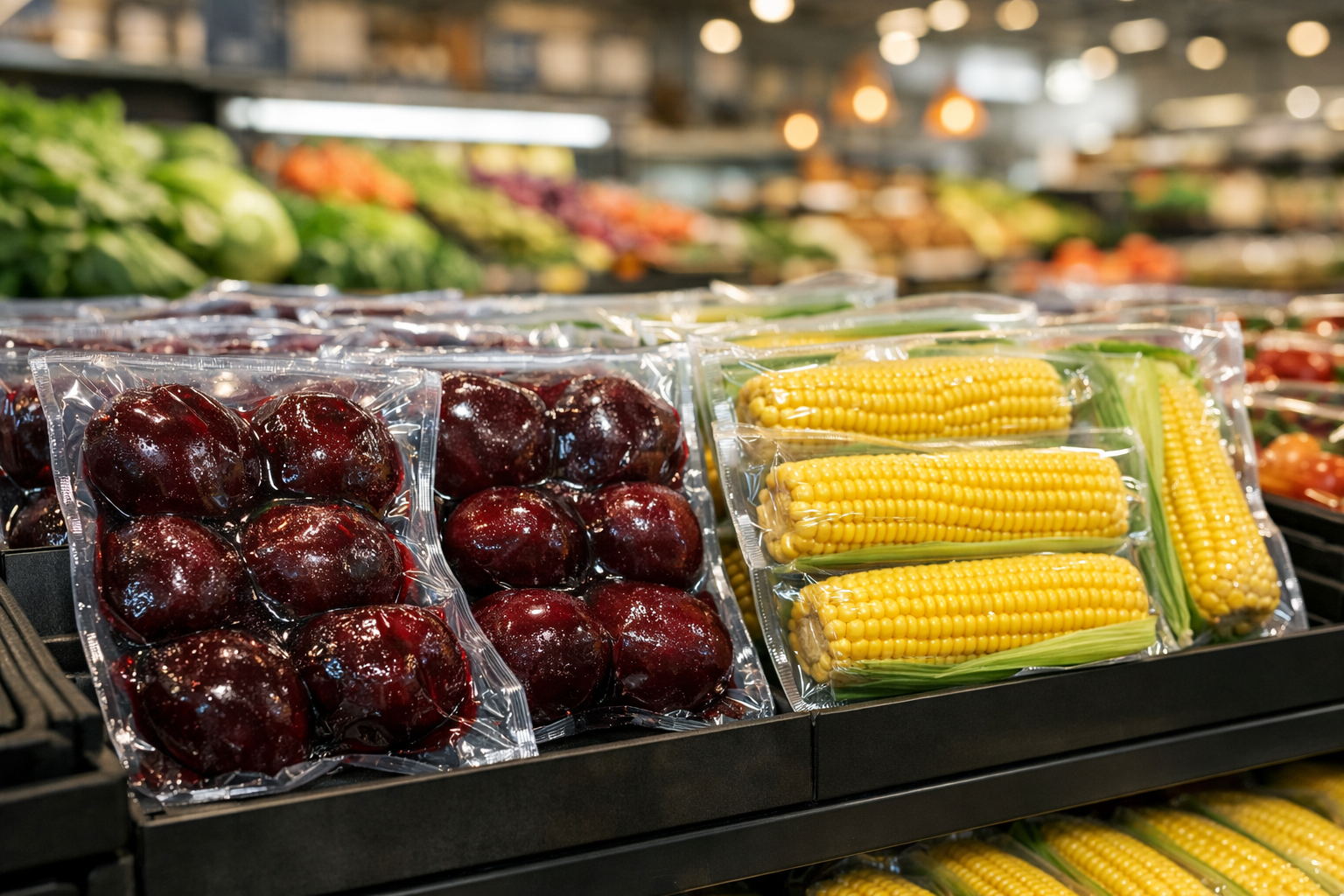
- Beetroot (vacuum-cooked, peeled, ready to use)
- Sweetcorn on the cob (pre-cooked, vacuum sealed)
These products are steadily gaining traction across retail shelves.
🌍 Why This Category Is Growing Now
Several converging forces are shaping demand in Israel:
Urban lifestyle acceleration, dual-income households, and reduced cooking time are pushing consumers toward high-convenience, clean-label solutions.
At the same time, Israeli consumers are:
- Health-conscious
- Ingredient-aware
- Increasingly seeking fresh-like alternatives to frozen or canned
➡️ This creates a perfect positioning zone:
“Fresh-quality + long shelf life + zero preparation”
💡 Key Insight: Convenience Is No Longer Enough — It Must Feel Fresh
Israeli consumers are not looking for “processed food.”
They are looking for:
- Minimal handling
- Clean ingredient lists
- Natural taste and texture
Vacuum-packed vegetables sit exactly in this space: ✔ No preservatives
✔ Maintained texture
✔ Ready-to-use format
👉 The winners in this category are positioned closer to fresh produce, not canned goods.
🥦 5th Level Vegetables: What Defines the Category
5th level vegetables are:
- Cooked or semi-cooked
- Vacuum sealed
- Shelf-stable (ambient or chilled)
- Ready to eat or quick to reheat
Common SKUs include:
- Vacuum beetroot (whole / sliced)
- Corn on the cob (pre-cooked)
- Baby potatoes
- Mixed root vegetables
✅ Practical advantage
Consumers skip:
- Washing
- Peeling
- Cooking time
📈 Retail Consumption Patterns in Israel
While still smaller than frozen or fresh segments, the category is showing clear directional growth.
Observed retail behaviors:
- Placement is often near fresh or chilled convenience sections
- Strong adoption in premium supermarket formats
- Growing presence in private label assortments
Key drivers of repeat purchase:
- Taste consistency
- Real “fresh-like” texture
- Shelf convenience (fridge-ready usage)
🥬 Category Focus: Beetroot & Sweetcorn
Beetroot (Vacuum Packed)
Beetroot performs particularly well due to:
- Health associations (superfood positioning)
- Use in salads, bowls, and home cooking
- Strong acceptance in Israeli cuisine trends
👉 Seen as: Ready-to-use + functional + premium vegetable option
Sweetcorn on the Cob (Vacuum Packed)
This is a high-potential crossover product between:
- Fresh produce
- Convenience foods
Appeals strongly to:
- Families
- BBQ / outdoor eating culture
- Quick meal solutions
✅ Key advantage
Maintains visual and eating experience vs canned alternatives
📦 Packaging & Shelf Strategy
Success in Israeli retail is heavily influenced by presentation and placement.
Winning characteristics:
- Transparent or semi-transparent packaging (shows product quality)
- Clean label front (no clutter)
- Fresh-like visual identity
Shelf positioning options:
- Next to fresh vegetables (premium positioning)
- In chilled ready-meal zones
- In convenience food sections
⚠️ Misplacement risk
If positioned next to canned goods → perceived as lower value
Israel-Specific Requirements
To succeed in this category, suppliers must align with local requirements:
- Hebrew labeling (mandatory)
- Cold-chain or storage clarity
- Shelf life transparency
- Importer labeling
- Kosher certification (often required for retail acceptance)
👉 Especially critical for this category:
Clear positioning as natural, not processed
🤝 Go-to-Market Considerations
This is not a volume-first category — it is a positioning-first category.
Best entry strategy:
- Start in premium retail chains
- Focus on high-income urban areas
- Build awareness through usage occasions (salads, quick meals)
Strong local partners will:
- Understand category placement
- Educate retailers
- Support product positioning
🚫 Common Mistakes in This Category
- Positioning as a canned alternative
- Over-processing perception (unclear messaging)
- Poor packaging transparency
- Lack of differentiation vs frozen
👉 Israeli consumers are highly sensitive to perceived freshness
🚀 What Comes Next (2026–2028 Outlook)
The category is expected to grow alongside:
- Meal solutions
- Ready-to-use ingredients
- Premium fresh convenience
Future expansion areas:
- Mixed vegetable packs
- Organic vacuum-packed SKUs
- Private label growth in major retail chains
💡 Strategic insight
This category is still underdeveloped in Israel
→ early movers can define positioning and capture premium space
🎯 Conclusion: A Niche Becoming a Category
5th-level vegetables are transitioning from niche to structured retail category in Israel.
They align perfectly with:
- Health trends
- Time-saving needs
- Premium food positioning
For manufacturers, this is not just another SKU —
It’s an opportunity to enter Israel through a high-value, growing segment with relatively low saturation.

